The 3 Priorities Keeping Health Plan Leaders Up at Night in 2026
What we heard at the Health Plan Alliance Leadership Conference and what it means for the road ahead.
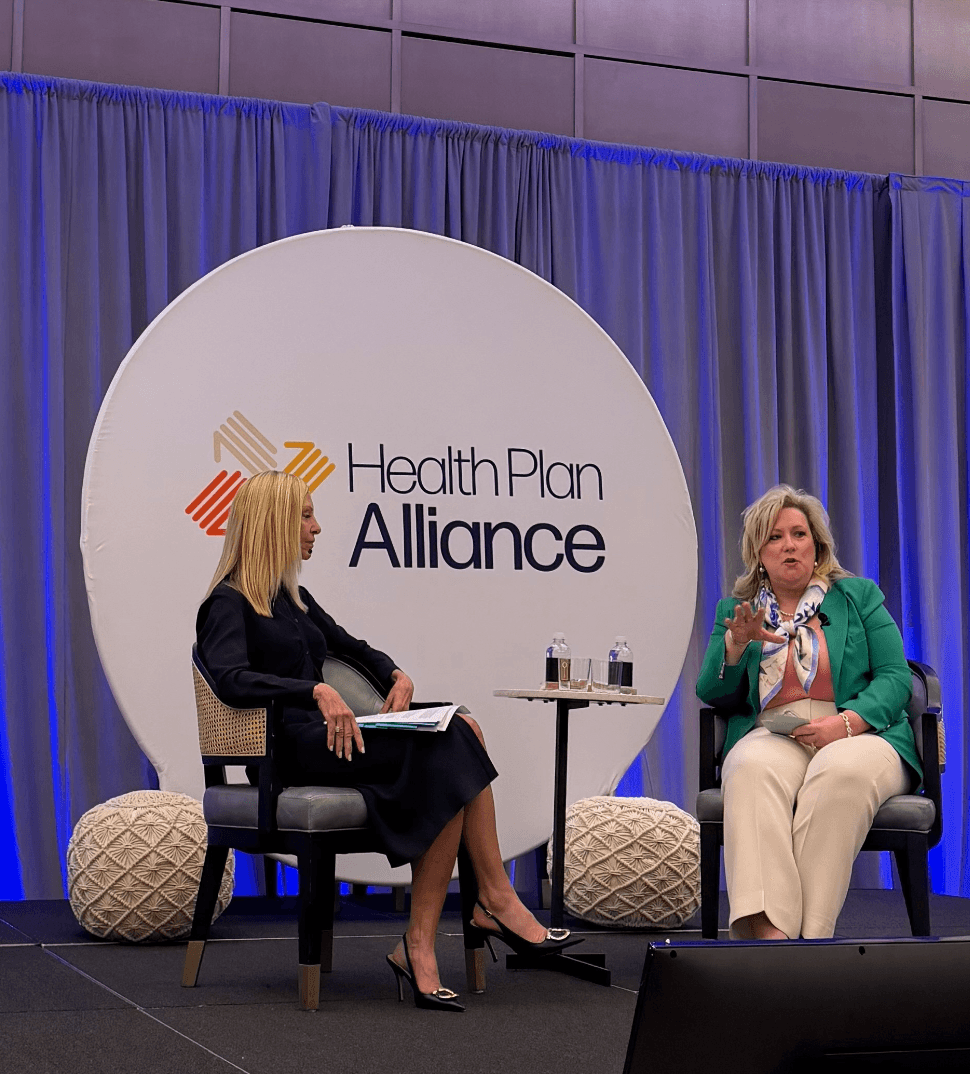
Setting the Scene
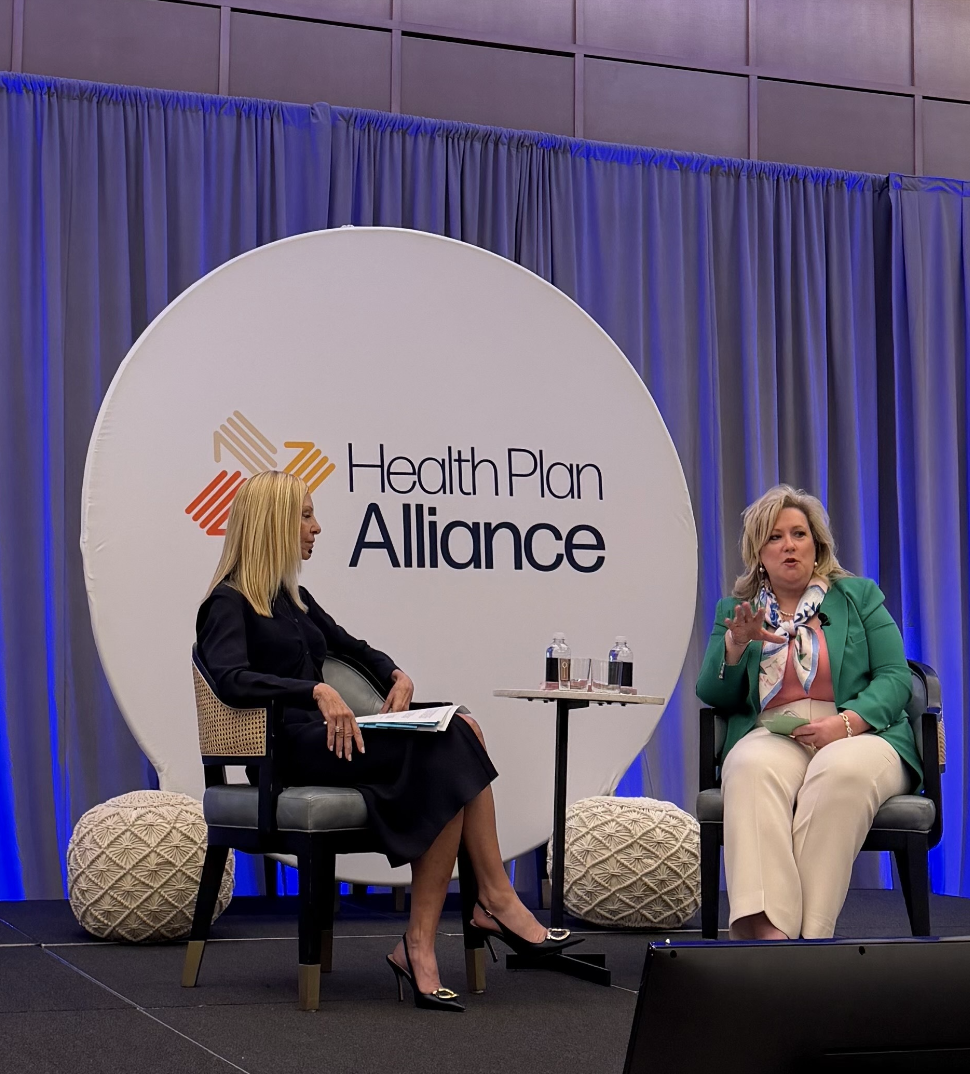
In March 2026, ClarityCare AI CEO and Co-Founder Hermine Tranie joined over 70 senior health plan leaders at the Health Plan Alliance Leadership Conference in Fort Worth, Texas, a room that included the CEOs of Network Health, Sharp Health Plan, Health New England, Alliant Health Plans, and Neighborhood Health Plan of Rhode Island, among others. Former CVS Health CEO Karen Lynch delivered the opening keynote.
Three priorities surfaced across three days of sessions and conversations.
Priority 1: Operationalizing AI Before the Window Closes
The urgency around AI at this conference wasn't aspirational, it was structural. Milliman actuaries Jeremy Kush and Matt Mraz made this concrete in their session, When the Math Stops Working: Business Models Under Silent Stress, arguing that many plans appearing financially stable today are quietly accumulating risk through rigid cost structures, unscalable technology investments, and reserves that can obscure real volatility beneath the surface.
The implication was clear: organizations that continue running high-touch, manual operations as margins compress aren't just leaving efficiency on the table. They're building fragility into their business models. Prior authorization came up as a key place to start.
Priority 2: Getting Ahead of the PBM Transparency Wave
Pharma prior authorization emerged as a priority. For years, most health plans have delegated it to their PBMs, a practical arrangement that is now changing as the regulatory environment shifts beneath it.
The policy momentum is real: President Trump's April 2025 Executive Order directed federal agencies to promote a more competitive, efficient, and transparent pharmaceutical value chain, leading to the Consolidated Appropriations Act, 2026. It is the most comprehensive federal effort to regulate the PBM industry to date, centering on rebate pass-through, transparency, and expanded oversight (Akin Gump, 2026).
As the economics of PBM delegation become more visible, plans will face growing pressure to take greater ownership of their pharma PA workflows, creating a real opening for independent, AI-powered solutions.
Priority 3: Rethinking Plan-System Economics, Risk Adjustment Included
The session Navigating Plan/Parent Relationships in an Era of Margin Pressure, featuring leaders from Health Alliance Plan, Henry Ford Health, Jefferson Health Plans, and Quartz, offered an honest accounting of how hard alignment is when governance structures weren't designed for today's margin environment.
Beneath that conversation was a specific workflow gap that kept surfacing: risk adjustment. For Medicare and Medicaid plans, accurate clinical coding directly affects reimbursement, yet it remains almost entirely manual today. For plans under margin pressure, that represents both a cost burden and unrealized revenue. The market infrastructure to automate it is still largely underdeveloped, and it's an area ClarityCare is actively building toward.
What We Took Home
The leaders in Fort Worth weren't debating whether change is necessary. They were working through the harder questions of sequencing and execution. We left with sharper conviction about the work ahead, and grateful for the conversations that shaped it.